Project Phases
From Waste to Energy to Hydrogen
Waste → Syngas → Electricity
Our initial phase focuses on converting waste into electricity through advanced thermal technology.
Input Materials
- Municipal Solid Waste (MSW)
- Plastic Waste
- Biomedical Waste (BMW)
- Hazardous Waste (HW)
- Metallic Waste
Process
All waste types are fed into the reaction chamber where they're converted into syngas at temperatures exceeding 3000°C. This syngas is then used to generate electricity.
Output
- Clean electricity for grid distribution
- Vitrified slag for construction use (1/250th of original volume)
- Zero harmful emissions
Timeline
Current phase - Operational readiness in progress
Phase 1 Process Flow (Placeholder - Replace with actual diagram)
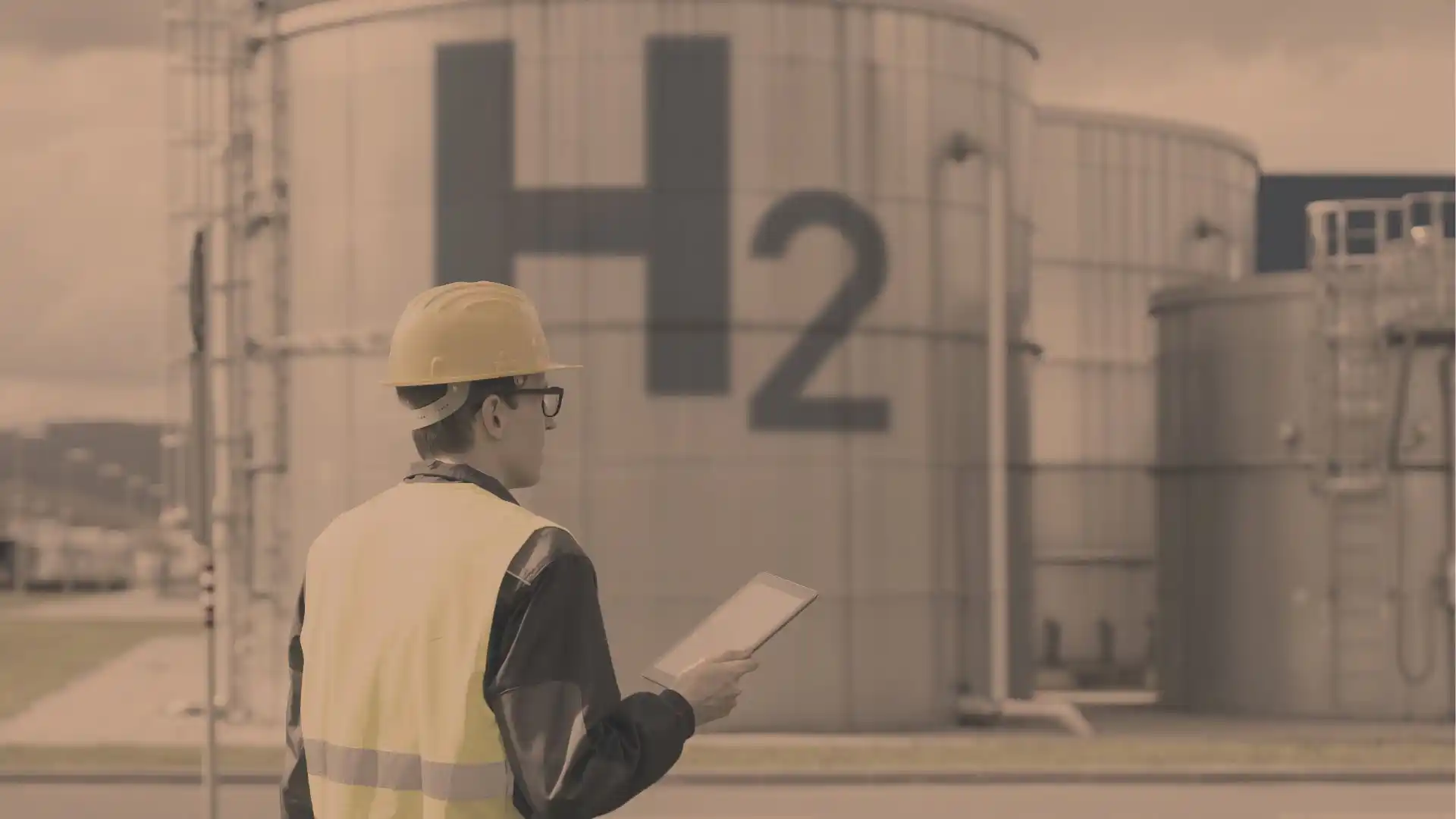
Waste → Syngas → Green Hydrogen
Scalable upgrade using additional modules to produce green hydrogen from waste-derived syngas.
Enhancement
The current technology setup can be easily scaled up for generation of hydrogen with a different setup to be attached after the success of Phase 1. Additional processing modules will be integrated to convert the hydrogen-rich syngas into pure green hydrogen.
Alignment
- India's Green Hydrogen Mission
- 5 MMT production target by 2030
- 10% global market capture
- 50 MMT annual CO₂ reduction
Output
- Pure green hydrogen for industrial use and fuel cells
- Continued electricity generation
- Vitrified slag
Timeline
Planned expansion - Following Phase 1 success
Phase 2 Expansion Plan (Placeholder - Replace with actual diagram)
Objective Execution Plan
Dedicated Waste Collection Vehicle
A separate waste vehicle will be mounted and covered in a closed manner with a tripper as part of the proposed project, which aims to transport waste from all stakeholders in accordance with their mutual agreements. There will be a separate expense and cost list for this vehicle.
The project will also incorporate later Varanasi Nagar Nigam's waste.
This expense will be covered by VRPL out of the start-up's funding.
Green Energy Transport
To promote green energy, a CNG or Electric Van vehicle with a 1.5–2 ton/run carrying capacity will operate throughout the city.
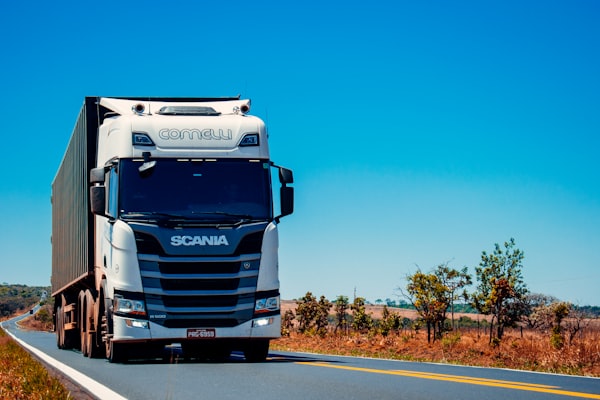
Waste Collection Vehicle (Placeholder)
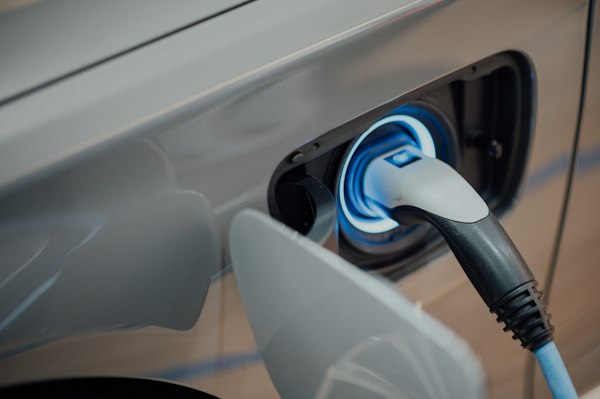
CNG/Electric Van (Placeholder)
Mode in Which Wastes Will Be Carried
Types of Colour Coded Dustbins and Their Usage
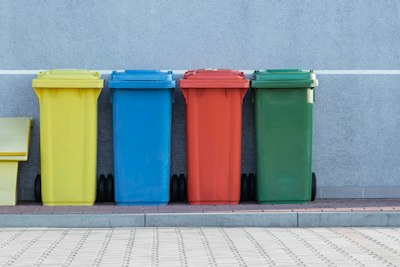
Green Dustbin
For: Biodegradable and Organic Waste
- Food waste
- Garden waste
- Paper
- Natural materials
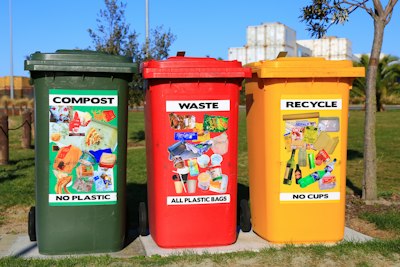
Blue Dustbin
For: Dry Waste and Recyclable Items
- Plastic bottles
- Glass
- Metal cans
- Cardboard
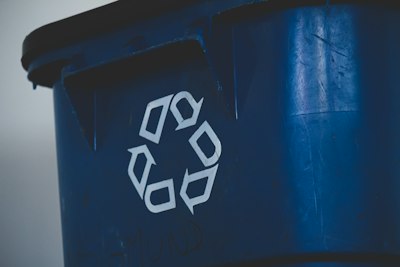
Red Dustbin
For: Hazardous or Biomedical Waste
- Chemical containers
- Batteries
- Electronic waste
- Biomedical waste
Yellow Dustbin
For: Sanitary and Medical Waste
- Sanitary napkins
- Diapers
- Bandages
- Medical supplies
Black/Grey Dustbin
For: General Waste Not Suitable for Recycling
- Mixed waste
- Soiled materials
- Non-recyclables
- Other residual waste
India's Green Hydrogen Mission
5 MMT
Green Hydrogen Capacity by 2030
Expandable to 10 MMT10%
Global Market Share Target
India's hydrogen leadership50 MMT
Annual CO₂ Reduction
Environmental impact