Advanced Thermal Technology
High-Temperature Matter Transformation for Waste Management
Our Technology
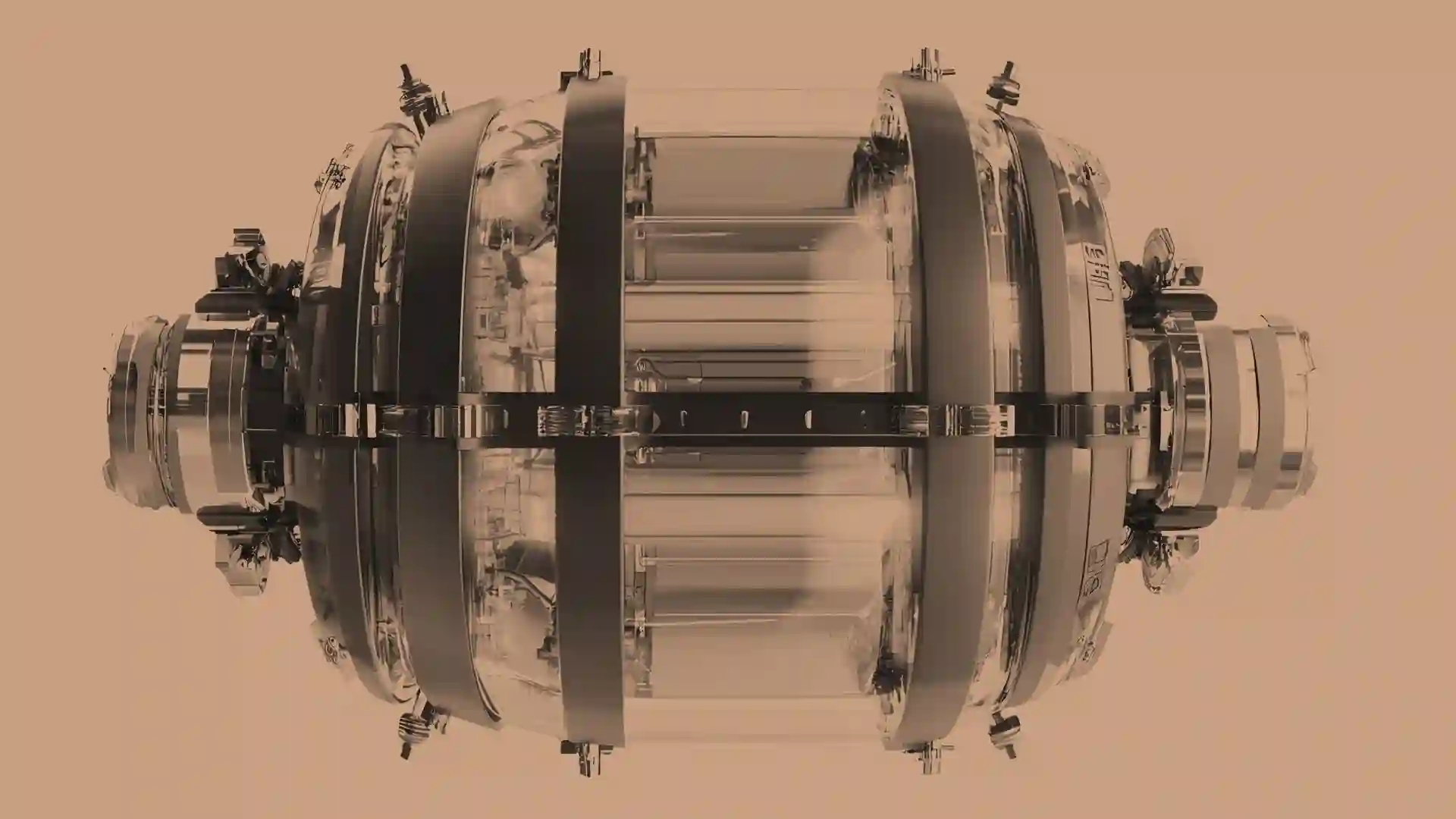
Our advanced indigenous technology uses superheated thermal energy, similar to the intense heat found in nature's most powerful phenomena.
At temperatures exceeding 3000°C, ordinary matter transforms, creating an environment where complex molecular structures break down into their basic elements. This ultra-high temperature state allows for complete decomposition of waste materials without traditional combustion.
Unlike ordinary combustion, this process operates in an oxygen-starved environment, making it an incredibly powerful tool for waste processing. The extreme heat enables us to break down even the most complex and hazardous waste materials safely and completely.
Advanced Gasification Process
Our gasification is a non-incineration thermal process which uses extremely high temperatures in an oxygen starved environment to completely decompose waste material into very simple molecules.
Minimal Segregation Required
A VERY SMALL AMOUNT OF SEGREGATION OF (WET / DRY PLASTICS) IS REQUIRED IN THIS PROCESS.
Clean & Commercial Outputs
The process produces a clean combustible gas and a non-toxic, inert slag, both of which have commercial value. The project produces Electricity and Hydrogen which can be used in many ways.
Gasification Process Flow
Waste Input
MSW, Plastic, Biomedical, Hazardous Waste
Reaction Chamber
3000°C+ Temperature
Oxygen-Starved Environment
From Waste to Energy
Follow the complete transformation process
Waste Input
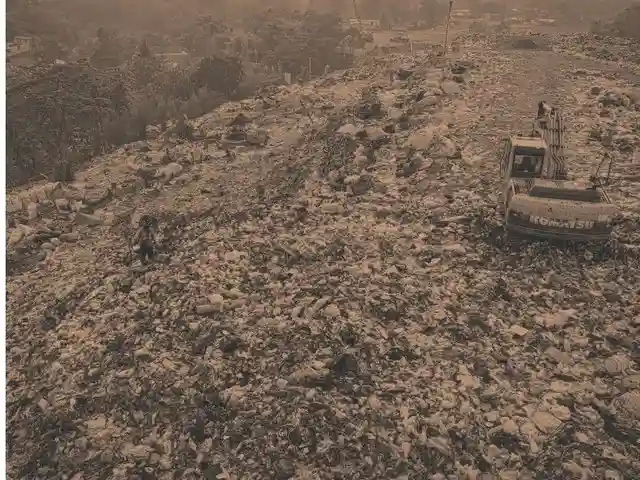
MSW, plastic, biomedical, and hazardous waste received and sorted
Reaction Chamber
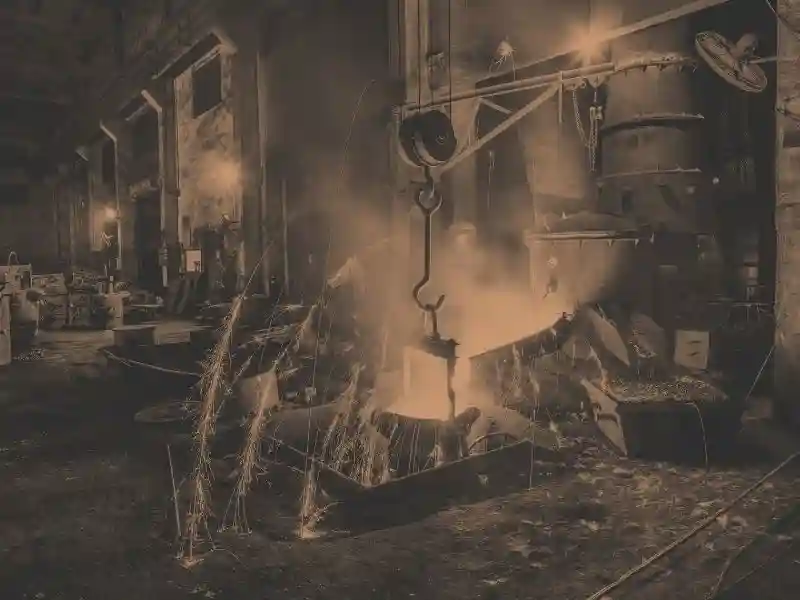
Waste gasified at 3000°C+ in oxygen-starved environment
Syngas Output
Clean, hydrogen-rich syngas produced

Energy Generation
Electricity produced and distributed to grid
Benefits of the Project
Electricity from Syngas
Clean, renewable energy generation from waste-derived syngas with net positive energy output
Decomposition of Waste into Hydrogen-Rich Fuel Gas
Complete breakdown of complex waste materials into simple, valuable hydrogen-rich syngas
Eco-Friendly Disposal of Waste
Zero harmful emissions, no dioxins, no furans - the cleanest waste disposal technology available
Large Volume Reduction
The slag is 1/250th of the volume of the processed solid waste - massive reduction in residue
Slag (Usable as Construction Material)
Vitrified, inert slag can be used as road/building material - complete waste-to-value conversion
Heat Recovery Options
Additional energy capture through heat recovery systems for maximum efficiency
Reduction of Landfill Waste
95% waste diversion eliminates landfill dependency and associated environmental hazards
Green Energy Contribution
Contributing to India's renewable energy targets and Green Hydrogen Mission
Sustainability and Circular Economy Approach
Complete waste-to-value transformation supporting circular economy principles
Reduces Greenhouse Gas Emissions
-31 kg CO₂ per ton of MSW processed - negative environmental impact proves exceptional eco-friendliness
Eliminates Harmful Dioxins & Furans
Zero carcinogenic compounds released - protecting public health
Creates Local Jobs & Green Economy Opportunities
Employment generation with 50% women workforce target under Nari Shakti Mission 2047
Emission Standards Compliance
All emissions meet or exceed government standards (CPCB guidelines)
Advantages of Advanced Thermal System
High Diversion Rate: 95%
Industry-leading waste conversion efficiency
Vitrified Slag Production
Non-toxic, inert slag for construction use
No Segregation Required
Minimal waste sorting - processes mixed waste streams
Safe Disposal Of Hazardous Waste
Can safely process dangerous materials
Dioxin And Furan Mitigation
Zero carcinogenic compounds released
Clean Air Emissions
Meets all CPCB emission standards
Low Carbon Footprint
Negative CO₂ impact per ton processed
Biomass Gasification
Handles diverse organic waste streams
Industrial Waste Utilization
Processes complex industrial waste
Hazardous Waste Treatment
Complete destruction of toxic materials
Environmental Sustainability
Contributing to SDG goals and green missions
Versatile Industrial Application
Scalable for various capacities (10TPD)
Safety Measures
Our Advanced Gasifiers use extremely high temperatures to convert waste into syngas and by-products like slag. Ensuring safety during their operation is critical due to the hazardous materials and high-energy processes involved.
Temperature Control and Monitoring
Thermal Emitters: The gasifiers operate at temperatures exceeding 3,000°C, requiring robust control systems to avoid overheating or malfunction of the heating elements.
Thermal Insulation: Proper insulation and cooling systems prevent heat from damaging the plant infrastructure.
Air Quality and Emission Control
Gas Filtration: Advanced filtration systems, including scrubbers and filters, capture pollutants like particulate matter, sulfur dioxide, and heavy metals from the syngas.
Real-time Monitoring: Continuous emission monitoring systems (CEMS) ensure pollutants are within safe limits.
Pressure Control
Sealed Systems: Gasifiers operate in a sealed environment to maintain specific pressures. Overpressure can cause explosions.
Pressure Relief Systems: Sensors and relief valves ensure safe venting in case of pressure build-up.
Key Challenges & Solutions
High Energy Demand
Advanced thermal systems require significant electrical power to maintain 3000°C+ temperatures.
Our Solution
Discussion is being done with Purvanchal Vidyut Vitran Nigam Ltd, Uttar Pradesh for making the availability of input power supply at a subsidised rate. Net energy output (2.4 kWe per kg plastic) ensures positive energy balance.
Syngas Cleaning Requirements
Requires careful syngas cleaning to avoid toxins and ensure clean energy output.
Our Solution
As part of start-up project, the manpower hiring will be done on the basis of suitable qualification and needful experience related to plant operation. Training provided by CSIR-CMERI guidelines ensures proper operation and maintenance.
Dioxins & Furans: The Cancer Solution
The dioxins and furans generated in case of waste disposal is the major source of human cancer, and unlike others our advanced technology is the solution to avoid cancerous growth and other animal/human diseases.
Impact
This ROI is measured by nobody which has to be taken care of. Based on this current technology we can improve AQI and control air pollution in Varanasi and protect public health.
Output Products
Hydrogen-Rich Syngas
Clean fuel for electricity generation and future hydrogen production
Electricity
Immediate power generation with net positive energy output (2.4 kWe per kg plastic)
Vitrified Slag
Inert, non-toxic material usable in construction industry - 1/250th of original waste volume